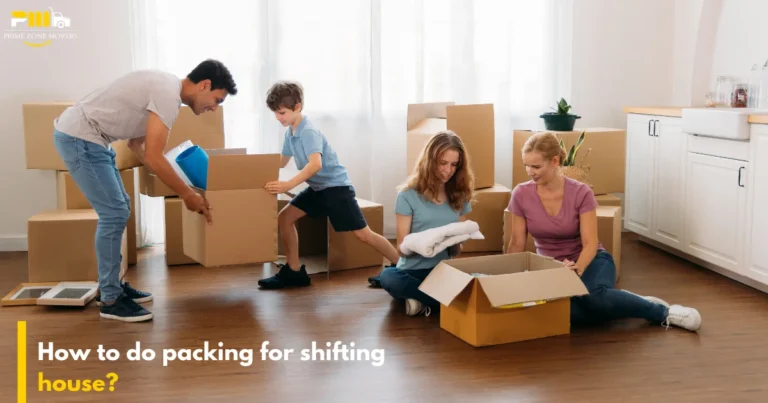
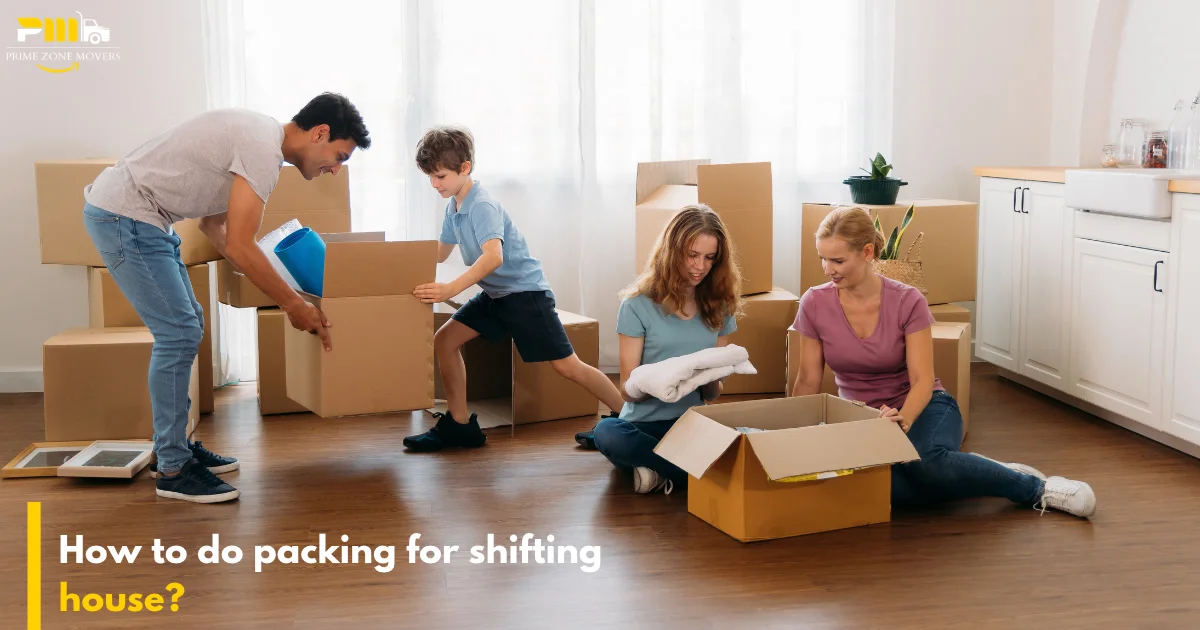
Packing a house for shifting takes more than putting belongings into cardboard boxes. Kitchenware, furniture, electronics and fragile decorations all need different types of protection. Without proper preparation, items can get scratched, misplaced or damaged while being loaded and transported.
Whether you are relocating to another apartment in Dubai or moving your villa in Abu Dhabi, starting early and following an organized packing process can make the work easier. Here is how to prepare your household belongings before moving day.
1. Sort Your Belongings Before Packing
Before bringing out the packing boxes, check what you have in each room. There may be clothes you no longer wear, kitchen items you rarely use or furniture that won’t fit into your new home. Set these aside instead of packing everything together.
You can sell or donate usable belongings and dispose of anything broken or no longer suitable for use. Once you have decided what is coming with you, you will have a clearer idea of how many boxes and how much packing material to arrange.
Once you have sorted everything, prepare a basic inventory of your furniture, appliances and other belongings. This will help you estimate the number of boxes and packing materials required.
2. Gather the Right Packing Materials
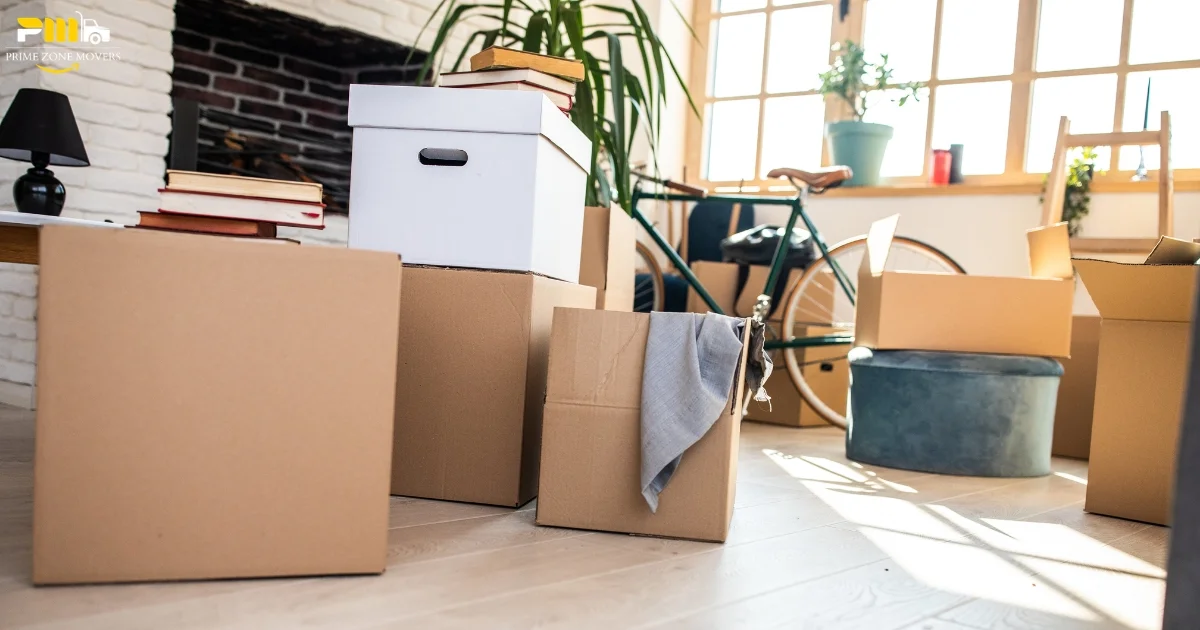
Before packing, make sure you have the materials needed for different household items. You will need sturdy cardboard boxes, packing tape, bubble wrap, packing paper and a marker for labeling cartons.
For delicate belongings, keep bubble wrap and packing paper nearby. Use them for glassware, crockery, decorative pieces and electronics. Furniture needs a little more attention, so have stretch film and protective blankets ready to cover exposed surfaces.
Don’t fill every box to the limit. Put books and other heavy belongings in smaller cartons so they are easier to carry. Cushions, bedsheets and other lightweight items can go into larger boxes.
3. Pack Your House Room by Room
Pack one room at a time instead of mixing belongings from different areas of the house. Keep everything from the same room in one place so you can find your kitchenware, clothes and other household items easily when unpacking.
Kitchen
Kitchenware needs careful packing, particularly glasses, plates and other breakable items. Wrap them separately in packing paper or bubble wrap. Place plates vertically where possible, with padding between them. Keep heavier kitchen items at the bottom and avoid leaving empty spaces where belongings can move around. For cooking oils, sauces and other liquids, tighten the lids and seal the containers in separate bags.
Bedroom
Fold clothes and arrange them in suitcases or suitable cartons. Pack shoes separately to keep them away from clean clothing. Store bedsheets, pillow covers and blankets together so they are easier to locate after shifting.
Living Room
Wrap decorative pieces, photo frames and other delicate accessories separately. Remove television cables and remote controls, then place them in labelled bags. Protect screens with appropriate cushioning before placing them in suitable boxes.
Bathroom
Go through your bathroom products before packing and get rid of anything you no longer need. Close shampoo bottles, lotions and other liquids tightly, then place them in sealed bags to prevent spills. Keep medicines and daily-use toiletries separate so you can find them easily after reaching your new home.

4. How to Pack Fragile Items for Moving?
Glassware, mirrors, crockery and decorative pieces need additional protection because they can break if they move around inside their boxes.
Follow these precautions:
- Wrap each fragile item separately rather than placing several unprotected pieces together.
- Add cushioning to the bottom and sides of the carton.
- Fill empty spaces with packing paper or suitable padding to prevent movement.
- Keep heavier items underneath lighter ones.
- Mark the box as FRAGILE so anyone handling it knows to take extra care.
For large mirrors, artwork and delicate glass pieces, use suitable protective wrapping and corner guards. Avoid placing heavy cartons on top of boxes containing fragile belongings.
5. Prepare Furniture and Electronics
Take everything out of drawers and cabinets before moving the furniture. Remove any detachable parts and put the screws and fittings in a labelled bag so you can find them when reassembling. Wrap the furniture in moving blankets or protective sheets, especially around the corners and edges, to avoid scratches during the move.
For electronics, unplug all cables and take a quick picture of the connections before disconnecting them. Keep the wires and remote controls together so they are easier to find later. If you still have the original boxes for your television or computer, use them. Otherwise, choose a sturdy carton and add enough cushioning to keep the equipment from moving around.
Refrigerators and washing machines should be prepared according to their manufacturers’ instructions before transportation.
6. Label Boxes and Prepare an Essentials Box
Write the destination room and a brief description of the contents on each carton. For example, label boxes as Kitchen 01, Bedroom 01 or Living Room 01. Numbering cartons and maintaining an inventory also helps you check that everything has arrived.
Prepare a separate essentials box containing items you may need immediately after reaching your new home, such as:
- Important documents and keys
- Medicines and basic first-aid supplies
- Phone chargers
- Toiletries
- A change of clothes
- Basic kitchen necessities
Keep passports, Emirates IDs, jewellery and other valuables with you rather than placing them in general moving cartons.
If you are moving within Dubai or Abu Dhabi, also check your building’s moving arrangements in advance. Some residential buildings require elevator reservations or advance approval for loading and unloading.
7. Avoid These Common House Packing Mistakes
Even when you start packing early, a few mistakes can create unnecessary problems on moving day.
- Using oversized boxes for heavy items: They become difficult to lift and may not hold the weight properly.
- Leaving gaps inside boxes: Items may move around during the journey and get scratched or broken. Fill the gaps with packing paper or other cushioning.
- Mixing items from different rooms: Putting kitchenware, clothes and decorations in the same box makes it harder to find things when unpacking.
- Leaving packing until the last day: Rushing through the work can result in damaged belongings, poorly sealed boxes and items being left behind.
- Ignoring special packing requirements: Fragile, bulky and electronic items may need additional protection.
8. Should You Pack Yourself or Hire Professional Packers?
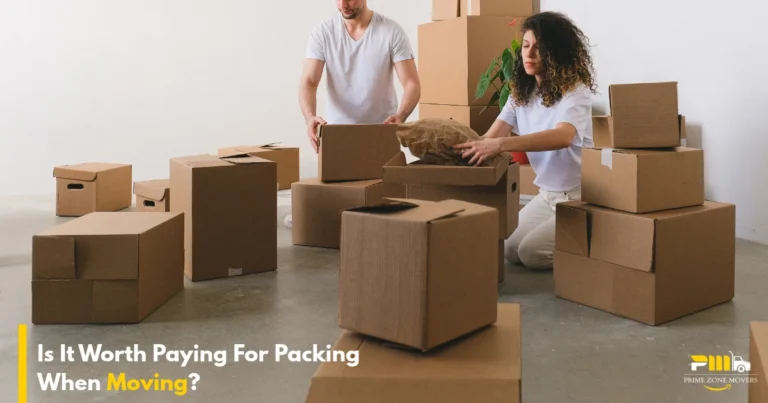
Packing yourself can work for smaller moves if you have enough time, suitable materials and a manageable number of belongings. However, larger homes, extensive furniture and delicate items may require additional assistance. You can get a lot more tips on moving.
Prime Zone Movers provides packing and unpacking services in Dubai and Abu Dhabi. Depending on the confirmed service requirements, customers can arrange full-house packing, partial packing or assistance with specific fragile and bulky belongings. The team uses moving cartons, bubble wrap, stretch film, protective blankets and labeling methods to prepare items for relocation. If you need help with packing before your move, you can contact Prime Zone Movers!
Frequently Asked Questions
How many days before shifting should I start packing my house?
Ideally, begin packing 1–2 weeks before moving day. Start with things you rarely use, such as seasonal clothes, decorations and extra kitchenware. Keep your daily-use belongings unpacked until the last few days so you don’t have to open boxes whenever you need something.
What should I pack first when moving house?
Start with guest-room items, decorative accessories, seasonal clothes, books and other belongings that are not needed daily. Pack kitchen essentials and frequently used personal items closer to moving day.
What packing materials are needed for house shifting?
You will generally need cardboard cartons, bubble wrap, packing paper, strong packing tape, stretch film, protective blankets and permanent markers. The quantity depends on the number and type of belongings being moved.
How do I pack fragile items safely for moving?
Wrap glassware, crockery and other delicate items separately using bubble wrap or packing paper. Place them in a sturdy box with enough padding to stop them from knocking against each other. Add a fragile label and keep these boxes separate from heavier belongings during loading.
Is it better to hire professional packers for house shifting?
Professional packers can be helpful when moving a large home, handling delicate belongings or working with a limited schedule. They can arrange suitable packing materials and prepare household items for transportation, depending on the service booked.